A thoughtful thank you can make someone’s day. A consistent employee recognition program makes appreciation part of how your company operates.
Branded gifts can bring that appreciation to life. A quality jacket celebrating a work anniversary or a personalized gift box marking a major accomplishment gives employees a tangible reminder that their contributions matter.
But the gift alone is not the program. Meaningful recognition connects a specific contribution with sincere appreciation, delivered at the right time.
Here is how to build an employee recognition program that combines clear goals, fair practices, and branded gifts your team will actually enjoy.
What Is an Employee Recognition Program?
An employee recognition program is a structured approach to acknowledging employees’ contributions, achievements, and milestones. It defines what deserves recognition, how employees are recognized, and who is responsible for making it happen.
A program can include manager appreciation, peer nominations, service awards, and branded employee gifts. The goal is to make recognition consistent and meaningful rather than occasional or dependent on which manager someone reports to.
Why Include Branded Gifts in Employee Recognition?
Branded gifts give employees something tangible to associate with a positive moment at work. When the item is useful and the message is personal, it can become a lasting reminder of an achievement.
The key is choosing gifts for the recipient, not just finding another surface for your logo.
A comfortable sweatshirt employees choose to wear has more value than an item that sits untouched in a drawer. A handwritten note explaining someone’s impact adds meaning that a logo cannot communicate on its own.
Gallup’s research on employee recognition emphasizes that effective recognition should be authentic, equitable, and personalized. Those principles should guide your gift strategy, too.
1. Define What Your Employee Recognition Program Will Celebrate
Start with the behaviors and milestones you want to acknowledge. Clear criteria help employees understand the program and give managers a consistent way to recognize contributions.
Recognition opportunities might include:
- Work anniversaries and service milestones
- Exceptional customer care
- Collaboration across departments
- Mentoring and knowledge sharing
- Creative problem solving
- Completing a challenging project
- Improvements that make everyday work easier
Be specific. “Great attitude” is open to interpretation. “Helped train three new team members while maintaining excellent customer service” gives recognition a clear foundation.
Include individual accomplishments and team contributions so your program does not reward only the most visible employees.
2. Ask Employees How They Prefer to Be Recognized
Not everyone wants a public announcement. Not everyone wants the same gift.
A short survey can help you learn what feels meaningful to your team for your employee recognition program. Ask questions such as:
- Would you prefer public recognition or a private thank you?
- Which gift categories would you use most?
- What apparel styles and sizes work for you?
- Are there dietary preferences or accessibility needs we should consider?
- Would you rather select a gift from several options?
Offer choices with comparable value whenever possible. Employees can receive consistent recognition without receiving identical items.
For remote employees, shift workers, and employees at different locations, make sure participation is equally accessible.
3. Set a Budget You Can Maintain
The best employee recognition program is one your company can deliver consistently.
Build your budget around employee count, expected milestones, recognition frequency, and the total cost of each gift. Include decoration, packaging, shipping, and any applicable setup costs rather than budgeting for the product alone.
You can organize gifts into simple categories:
- Everyday appreciation: A branded notebook, mug, or small practical item paired with a specific thank you.
- Significant contributions: A quality tumbler, apparel item, or curated gift set.
- Major milestones: A premium jacket, travel bag, or personalized gift box.
These are planning categories, not rules about what recognition must cost. A thoughtful message and a useful gift can be more meaningful than an expensive item chosen without the employee in mind.
Have HR or payroll review any tax treatment and company policy requirements before launching gift awards.
4. Choose Branded Gifts Employees Will Actually Use
Useful products are a strong starting point for employee recognition gifts. Match the item to the occasion, the recipient’s preferences, and your work environment.
Custom Apparel
Polos, sweatshirts, jackets, and other apparel can work well for service milestones or team achievements. Prioritize comfort, inclusive sizing, and styles employees have helped select.
Branded Drinkware
An insulated tumbler, reusable water bottle, or ceramic mug can fit everyday routines. Choose quality and practical features over novelty.
Bags and Everyday Accessories
Backpacks, totes, and travel bags can be useful choices for employees who commute, travel, or want something practical beyond the workplace.
Office and Technology Gifts
Notebooks, desk accessories, and compatible charging products can suit employees who prefer functional gifts. Avoid assuming that every role has the same workspace or technology needs.
Curated Gift Boxes
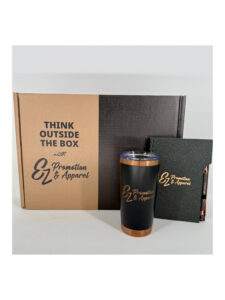
A coordinated gift box can combine several items around an occasion. For example, a work anniversary box might include a sweatshirt, drinkware, and a personalized message from the employee’s manager.
EZ Promotion & Apparel offers custom gift boxes and branded gifting options, including apparel, drinkware, office products, and more.
Keep branding tasteful. The gift should feel like appreciation, not an obligation to advertise your company.
5. Pair Every Gift With a Specific Message
The message explains why the recognition matters.
Instead of “Thanks for your hard work,” name the contribution and its impact:
“Thank you for helping our new team members feel confident during training. Your patience and clear explanations helped them get comfortable in their roles and made the transition smoother for the whole team.”
A simple formula works well:
What they did + why it mattered + a sincere thank you.
Deliver recognition close to the achievement when possible. An immediate thank you followed by a gift later is better than staying silent while you wait for an order to arrive.
For service milestones, celebrate more than years on the calendar. Mention the relationships, knowledge, or contributions the employee has built along the way.
6. Make Recognition Fair and Easy to Deliver
An employee recognition program needs a straightforward process. If nominations are confusing or approvals take too long, recognition can become inconsistent.
Create a short written guide that explains:
- Who is eligible
- What qualifies for recognition
- How employees or managers submit nominations
- Who reviews nominations
- How gift options are selected
- When recognition is delivered
Give employees across departments and shifts equal access to the process. Include contributions that happen behind the scenes, not just achievements that leadership sees directly.
Assign a program owner to track milestones, coordinate orders, and monitor participation. Managers should still provide regular appreciation between formal awards.
Gifts support recognition. They do not replace fair pay, supportive management, or reasonable working conditions.
7. Measure Results and Improve the Program
Start with a manageable pilot, then ask employees whether the recognition feels timely, fair, and meaningful.
Useful measures include:
- Participation across departments and locations
- Time between an achievement and its recognition
- Employee satisfaction with gift choices
- Spending compared with budget
- Whether employees understand how recognition works
Look for gaps. Are the same people repeatedly recognized? Are night shift or remote employees being overlooked? Are employees choosing certain gifts while ignoring others?
You can also monitor engagement and retention over time, but avoid assuming that gifts alone caused any change. Recognition is one part of the employee experience.
Use feedback to refine the process, improve gift choices, and make participation easier.
A Simple Employee Recognition Program Example
A small or midsize business could begin with this structure:
- Ongoing appreciation: Managers acknowledge specific contributions as they happen.
- Monthly recognition: Employees nominate colleagues who demonstrate company values, with recipients choosing from several branded gifts.
- Work anniversaries: Employees receive a milestone gift and a personal message about their contributions.
- Team achievements: Teams celebrate a shared accomplishment with comparable gift options for everyone involved.
- Quarterly review: The program owner checks participation, spending, employee feedback, and recognition gaps.
This approach creates regular opportunities for appreciation without making every thank you a formal award.
Frequently Asked Questions About Employee Recognition Programs
How do you start an employee recognition program?
Start by defining what you will recognize, asking employees about their preferences, and setting a sustainable budget. Establish clear criteria, assign an owner, and pilot the process before expanding it.
What are good branded gifts for an employee recognition program?
Good options include comfortable apparel, quality drinkware, bags, practical office accessories, and curated gift boxes. The best choice reflects the employee’s preferences and includes a message explaining the achievement being recognized.
How often should employees receive recognition?
Recognize meaningful contributions as they happen, with planned celebrations for milestones and larger achievements. Formal gifts do not need to accompany every thank you, but appreciation should not be limited to an annual event.
How much should a company spend on employee recognition gifts?
Set a budget based on employee count, recognition frequency, milestone categories, and total fulfillment costs. There is no single amount that suits every organization. Consistency, usefulness, and personal relevance matter more than price alone.
Can branded gifts improve employee engagement?
Branded gifts can support an engaging recognition experience when they accompany sincere, specific appreciation. They should be part of a broader effort to help employees feel respected and valued, not treated as a standalone solution.
Build an Employee Recognition Program With EZ Promotion & Apparel
A memorable employee recognition program starts with noticing people’s contributions. The right branded gift helps turn that appreciation into something employees can hold, use, and enjoy.
EZ Promotion & Apparel helps businesses select branded merchandise and create custom gift boxes for employee milestones and appreciation moments.
Ready to plan your program? Share your team size, upcoming occasions, and budget with EZ Promotion & Apparel. Call 608-205-8140 to start creating gifts that make your thank you feel personal.